That scenario plays out every season. Portable ice coolers work fine for a weekend trip with one deer. But hunters processing multiple animals, running a camp, or hunting warm early seasons need something that won't quit when the ice runs out.
This guide covers why walk-in coolers outperform ice chests for deer, the proper aging temperatures and hang times, how to size a unit for your operation, and whether a DIY build or a custom setup makes more sense for you.
Key Takeaways
- Walk-in coolers hold a steady 34-39°F range for days without ice loss
- Sizing depends on whether you're hanging one deer or running a multi-hunter operation
- DIY CoolBot builds work, but insulation gaps and door seals cause most failures
- NSF, UL, and DOE-compliant components protect food safety and cut energy costs
Why Serious Deer Hunters Need a Walk-In Cooler
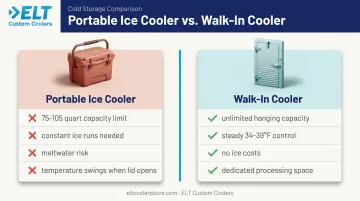
Portable coolers have a hard capacity ceiling. GOHUNT's field-tested benchmarks put boned-out mule deer at 75 to 105 quarts and a boned-out elk at roughly 200 quarts total, usually split across multiple coolers.
Once you're processing more than one animal, you're already stacking coolers or making ice runs.
That ceiling matters more than the quart number suggests. A single deer might fit fine. Two deer during a busy weekend, or a camp with four hunters filling tags, means:
- Multiple coolers competing for truck bed space
- Repeated ice purchases that add up fast over a season
- Constant monitoring to catch meltwater before it soaks the meat
Temperature control is the bigger issue. Aging venison properly requires holding a constant 34-39°F range, but ice coolers can't do that reliably. As ice melts, internal temperature climbs, and every time you open the lid, warm air rushes in.
USDA guidance confirms the risk: a full cooler holds cold longer than a partly filled one, and you need a thermometer to verify it's staying at 40°F or below. That threshold is a food-safety minimum, well above the tighter range venison aging actually needs.
For hunting lodges, guides, and processors, the math gets worse. Hanging and skinning several deer during peak season means you need dedicated cooling space that doesn't compete with the camp's food and drink coolers. A walk-in solves that instantly.
Cost adds up too. Replacing coolers every few seasons and buying ice on every trip is a recurring expense. A walk-in cooler is a one-time investment that eliminates both. It also means you can skin, quarter, and hang deer in a controlled space instead of racing to beat the local butcher's closing hours.
Custom-Built Flexibility
Most retail walk-in units come in fixed dimensions that don't always match what you're working with. If you're converting an existing barn, garage, or camp building instead of building new, a fixed-size box often won't fit the opening you have.
That's where custom-manufactured doors and frames come in. ELT Custom Coolers builds prehung cooler and freezer doors sized for non-standard, oversized, or retrofit openings, so you can convert an existing structure into a functional walk-in without demolishing a wall to fit a factory-standard door.
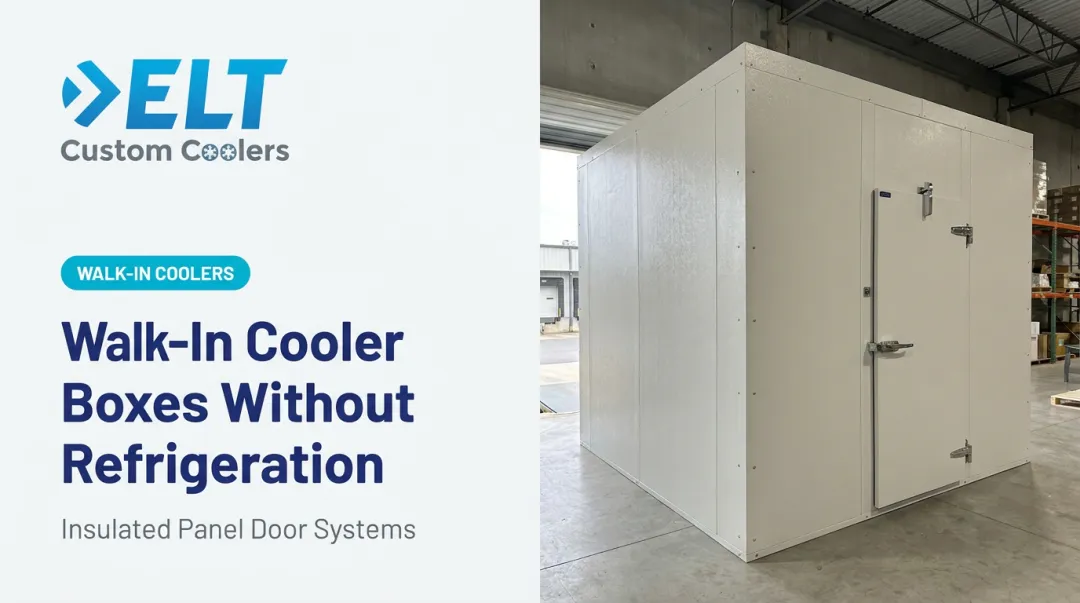
For hunters starting from scratch, a turnkey 8x8x8 walk-in box package offers a straightforward entry point for a single-hunter or small-camp setup.
How Long Can a Deer Hang & At What Temperature
Hanging venison isn't just about storage. It's about letting enzymes break down muscle fibers, which is what makes the meat more tender. This is the same process used in dry-aging beef, typically done around 34°F.
So how long can you actually hang a deer? The answer depends on which authority you check:
| Authority | Recommended Temperature | Hang Duration | Key Requirement |
|---|---|---|---|
| Penn State Extension | Below 40°F | 5–7 days | Should improve tenderness without risking spoilage |
| Wisconsin DATCP | 32–36°F | Up to 2 weeks max | Carcass surface must hit 40°F or lower within 24 hours of hanging |
There's no single universal number here. Treat two weeks as a ceiling, not a target, and always check for off smells before that window closes.
The Risk of Warm-Weather Hanging
Early archery season often means 60-70°F afternoons. Hang a deer without refrigeration in that heat, and bacteria growth accelerates fast.
USDA's food safety guidance defines 40-140°F as the danger zone, where bacteria can double in as little as 20 minutes. Lose that cooling window, and the meat pays the price in smell and taste — which is exactly why controlling temperature matters more than the calendar date.
DIY Temperature Control vs. Dedicated Refrigeration
CoolBot-rigged window AC units can hit a 34°F target, but consistency is the challenge. These systems don't directly manage humidity, and performance depends heavily on how well the room is sealed and insulated.
A dedicated refrigeration system built for the room's actual dimensions and load holds that range far more predictably, day after day. Companies like ELT Custom Coolers build turnkey 8x8x8 walk-in units with prehung, gasketed doors engineered specifically to hold a tight seal, often the deciding factor in whether a setup actually holds 34°F or slowly drifts.
One more detail that gets overlooked: airflow. Deer hung too close together create warm pockets where air can't circulate. Leave enough spacing between carcasses so cold air moves freely around each one.
Sizing Your Walk-In Cooler for Deer Hunting
Here's something worth knowing upfront: there's no clean formula that converts portable-cooler quarts into walk-in square footage. Anyone claiming otherwise is guessing. Sizing a permanent unit comes down to a different set of questions.
Start with how many deer you're actually processing:
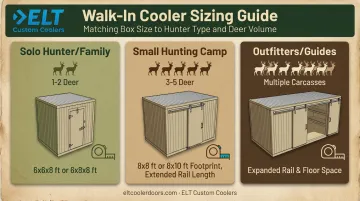
- Solo hunter or family processing one or two deer a season can often work with a compact walk-in, similar to the 6x6x8 ft or 6x8x8 ft game lockers documented by commercial cooler manufacturers
- Small hunting camp processing three to five deer needs a mid-size footprint, often 8x8 ft or 8x10 ft, with extra rail length for staggered hangs
- Outfitters, guides, or camps handling multiple carcasses simultaneously during peak week need far more hanging rail length and floor space, plus room for staggered arrivals
Whole carcass vs. quartered meat changes your clearance needs too. A whole deer hung with legs and rack intact needs more vertical clearance than quartered meat on hooks. Commercial game lockers typically position the hanging rail around 5 feet 10 inches off the floor, so factor that into your ceiling height planning.
Don't forget the extras:
- Game bags need hanging space that doesn't touch other carcasses
- Gambrels and hooks require rail length, not just floor area
- A work surface for initial skinning and quartering eats into usable space fast
If you're planning to grow, whether that's more tags per season or a bigger camp, a custom-built cooler gives you room to expand later. Retail fixed-size units don't offer that flexibility once you've outgrown them.
DIY vs. Custom-Built Walk-In Coolers
A DIY walk-in cooler build typically means framing a room, lining it with rigid foam insulation, and installing a CoolBot controller paired with a window AC unit. It's a documented, workable approach. A 2017 state agriculture guide put the average total build cost around $3,000, and the CoolBot controller itself runs $399.
Where DIY builds run into trouble:
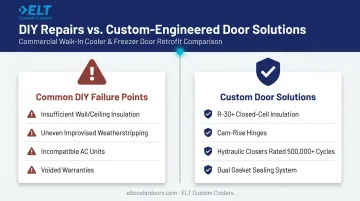
- Insulation shortfalls. CoolBot's own guidance calls for R-25 or greater on walls and ceiling, and floor insulation becomes necessary once you're targeting below 38°F. Skipping this step is the most common reason DIY builds can't hold temperature.
- Door sealing. Improvised weatherstripping and foam tape compress unevenly and don't hold up under repeated opening and closing.
- AC compatibility limits. Not every window unit works with a CoolBot. Central air, RV units, and most portable ACs are excluded from compatibility.
- Warranty gaps. Using a CoolBot can void the AC manufacturer's warranty, and the controller itself carries just a one-year warranty.
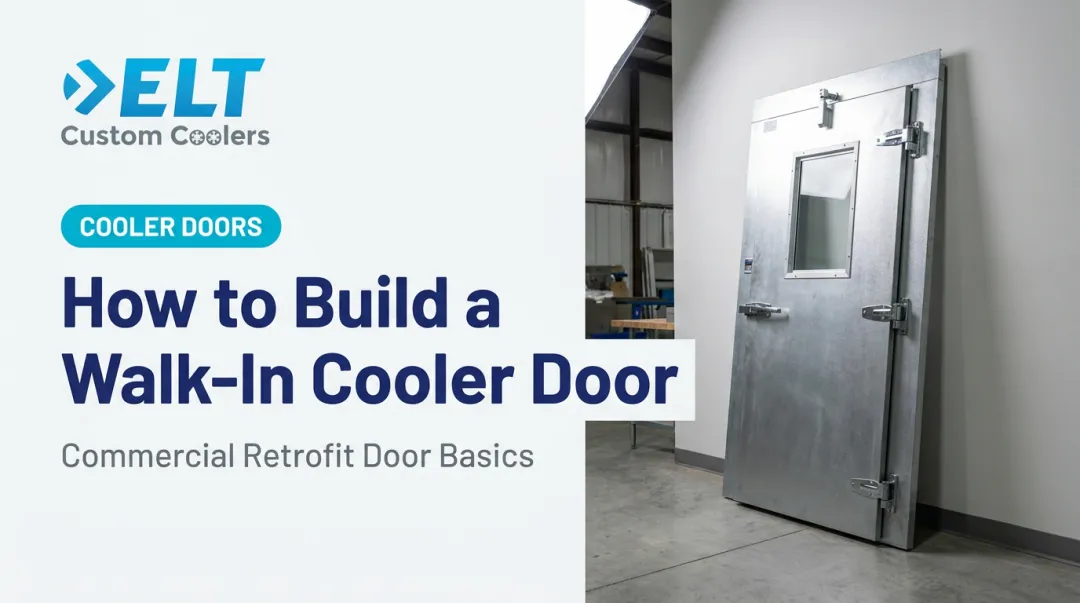
For hunters who'd rather skip the trial and error, professionally engineered doors offer a code-compliant alternative. ELT Custom Coolers' prehung doors come with the hardware package built in:
- Kason-compatible cam-rise hinges that resist gasket drag on uneven floors
- Hydraulic closers rated for over 500,000 cycles
- Dual gasket system combining a magnetic perimeter seal with a double-sweep threshold gasket
That combination directly targets the two failure points DIY builders report most: doors that won't seal fully and gaskets that wear out fast.
If you're building in a genuinely cold climate or converting a freezer-adjacent space, heated-jamb frames prevent frost buildup at the door perimeter, something a standard DIY door frame has no way to address.
Key Features to Look for in a Deer Hunting Walk-In Cooler
Whether you buy custom or retrofit an existing structure, a few specs separate a reliable setup from one that fights you every hunting season.
Insulation and airtight construction. Look for closed-cell foam insulation in the R-30 to R-32 range, paired with a sealed panel system. This matters most during warm early seasons when the unit is working hardest to hold temperature against outside heat.
Refrigeration sized to the room. An underpowered system can't keep up once you've got three or four deer hanging at once. Match compressor capacity to your actual room dimensions and expected load, not just the box size on paper.
Durable, cleanable interior surfaces. Blood and mess are part of processing. Stucco-embossed steel panels resist staining and wipe down easily, and drainage planning keeps runoff from pooling on the floor.
Certified components. This is where the fine print matters most:
| Certification | What it verifies |
|---|---|
| NSF Approved | Meets food-protection and sanitation standards for commercial refrigeration equipment |
| UL Certified | Electrical components independently tested and inspected on an ongoing basis |
| DOE 2017 Compliant | Meets federal energy-efficiency standards for refrigeration systems |
NSF approval matters if you're running a licensed processing operation. UL certification protects against electrical failures in a wet, high-use environment, while DOE compliance keeps your energy bill in check season after season. ELT Custom Coolers builds its door and hardware lines to meet all three standards.
Frequently Asked Questions
How long can a deer hang in a meat cooler?
Most guidance points to 5-7 days below 40°F, with some sources allowing up to two weeks at a steady 32-36°F. Consistent cooling in that range allows for safe extended hanging, but always check for off odors before that window closes.
How do you keep deer meat cool?
Short trips work fine with an ice cooler and game bags, provided you monitor with a thermometer and keep it at 40°F or below. For processing multiple deer or running a camp, a walk-in cooler with reliable refrigeration is the more dependable long-term solution.
What size cooler do I need for deer meat?
Portable coolers in the 75-105 quart range typically handle a boned-out deer. For a walk-in, sizing scales up based on how many deer you're processing at once and whether you're hanging whole carcasses or quartered meat.
What is the best cooler for keeping deer meat cold?
Portable ice coolers work for short trips and single-deer transport. For serious hunters processing multiple animals or running a camp, a walk-in cooler offers far more reliable, consistent cooling over several days.
What temperature should a deer cooler be set at?
Aim for a steady 34-39°F range. Consistency matters more than reaching the coldest possible temperature, since fluctuations disrupt the aging process and increase spoilage risk.
Can I build my own walk-in cooler for deer hunting?
Yes, CoolBot-style DIY builds are a proven approach and can hit the right temperature range. A professionally built unit with certified door hardware, such as the components ELT Custom Coolers manufactures, offers more long-term reliability and fewer sealing issues to troubleshoot.